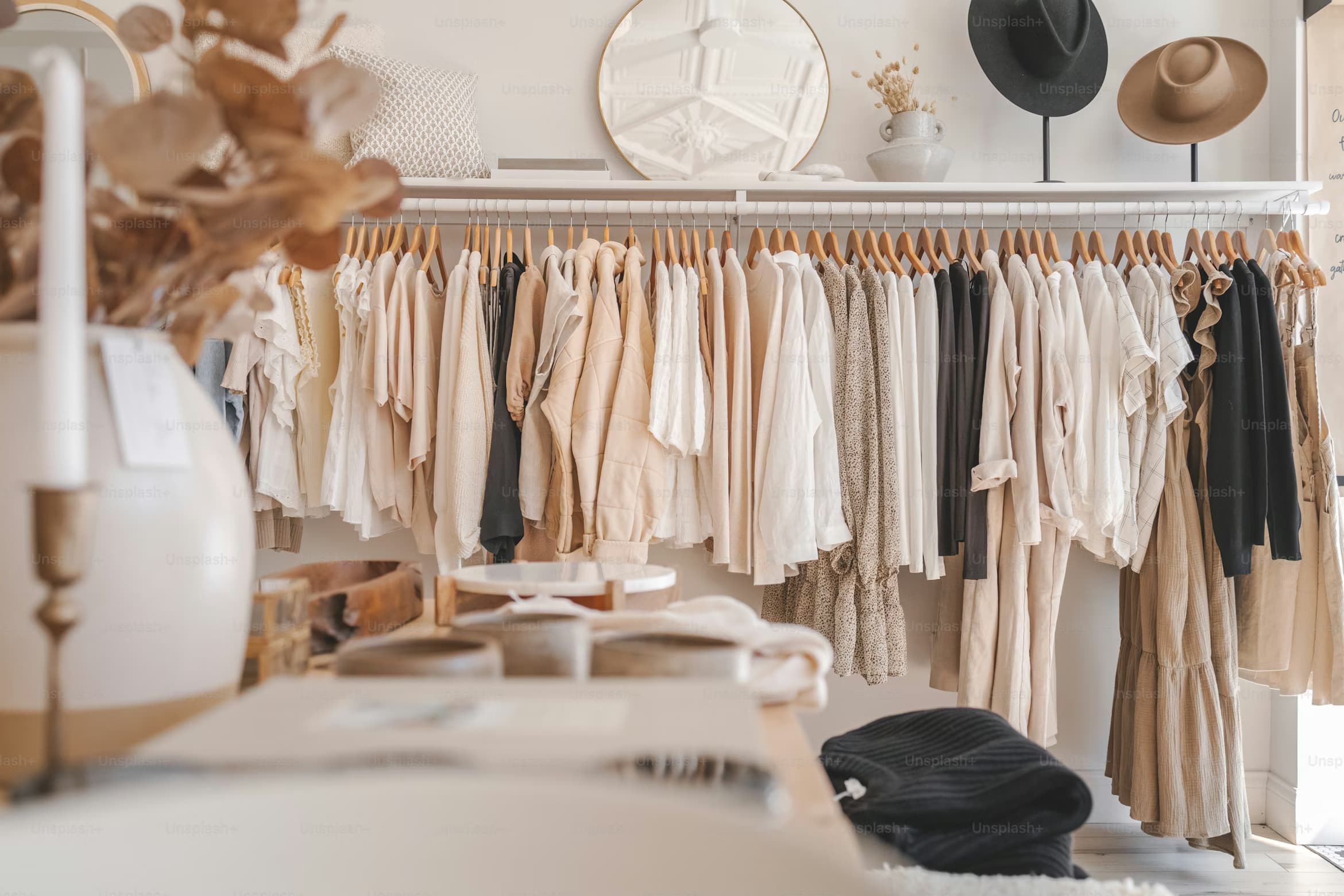
There's a moment most of us know too well: standing in front of a wardrobe bursting with clothes, and feeling like you have absolutely nothing to wear.
It's not a problem of quantity. It's a problem with the ownership model itself.
The Wardrobe We Never Wear
The average wardrobe holds clothes that are worn fewer than five times before being forgotten. The Ellen MacArthur Foundation found that clothing utilisation — the number of times a garment is worn before it's discarded — has dropped by nearly 40% in the last 15 years. We buy more, wear less, and the cycle keeps accelerating.
We don't have a clothing shortage. We have a freshness problem.
The Real Cost of Ownership
Think about the last formal outfit you bought for a wedding. You spent ₹6,000–₹18,000 for something you wore once, maybe twice. It's now taking up premium wardrobe real estate alongside three other occasion outfits doing exactly the same thing.
Or consider your everyday wardrobe. You have seven days a week, five workwear combinations you rotate, and a quiet anxiety every Monday morning that your colleagues have seen every permutation of your existing clothes. The solution most of us reach for? Buy more — which only delays the problem.
Ownership creates accumulation. Accumulation creates inertia. Inertia creates the illusion of a full wardrobe that feels empty every single morning.
The math is brutally honest: a ₹5,000 shirt you wear twice costs ₹2,500 per wear. The same shirt rented and worn fresh costs a fraction of that — with cleaning and maintenance already included.
Fashion Moves Faster Than Your Budget
Trends cycle faster than ever. The silhouette that looked sharp in January feels dated by October. Owning clothes means carrying the weight of past fashion decisions — literally and financially. Every piece you bought chasing a trend is now a sunk cost sitting in a drawer.
Renting sidesteps this entirely. You're not buying a trend; you're wearing it for the week it's relevant, then moving on. No guilt. No clutter. No wardrobe archaeology every six months.
The Environmental Argument
The fashion industry accounts for roughly 10% of global carbon emissions — more than aviation and maritime shipping combined. A single cotton T-shirt requires approximately 2,700 litres of water to produce. The average garment is discarded after just seven to ten uses.
The rental model fundamentally changes this equation. When one garment serves multiple people across its usable life, the per-wear environmental cost drops dramatically. Professional cleaning, quality repairs, and careful recirculation ensure every item is worn to its full potential — not discarded after a season because the trend passed.
Renting isn't just better for your wardrobe. It's better for the planet.
The Mental Clarity Angle
There's a reason some of the most productive people in the world wear the same thing every day — it eliminates a daily micro-decision that quietly drains energy. A rental wardrobe takes this further: your choices are curated, fresh, and finite each week. You're not drowning in options accumulated over years; you're selecting from what's right for this week, this version of you.
Decision fatigue is real. A rotating wardrobe is smaller, fresher, and more intentional than an accumulated one.
What a Wardrobe Should Actually Be
The purpose of a wardrobe is to make you feel good, ready, and confident every single day — not to be a museum of past purchases, not to accumulate guilt about unworn pieces, and not to create morning paralysis.
A rental wardrobe is a working wardrobe. Every item in rotation is there because it's fresh, well-maintained, and right for right now. Nothing carried forward out of obligation.
The Slayble Way
Slayble was built on a simple conviction: you shouldn't own your clothes any more than you own the movies you stream.
Every week, you build your wardrobe using your personal coin budget. Browse by category, by theme, by mood — and the clothes come to you. Wear them through the week. Return them. They go through professional cleaning, quality checks, and repairs before reaching the next subscriber. You start fresh the following week.
No piling up. No guilt. No Monday morning dread.
This is what fashion was always meant to feel like — effortless, expressive, and entirely yours for the week you need it.
Your wardrobe should work for you. Not the other way around.